The 1/3/5 decluttering rule, explained
The 1/3/5 decluttering rule (often written as the 1–3–5 method) is a simple way to plan a decluttering session so you don’t burn out:
- 1 big task (the “anchor” project that makes a visible dent)
- 3 medium tasks (meaningful but contained wins)
- 5 small tasks (quick resets that remove friction from daily life)
Instead of trying to “declutter the whole house,” you give yourself a menu of doable tasks that fits real life—and you stop when the list is done. (marthastewart.com)
Why this rule works (when decluttering usually fails)
Most decluttering plans fall apart for predictable reasons:
- The scope is too vague (“I’ll do the garage this weekend”).
- The tasks are mismatched (you start with a monster project and stall).
- You mix jobs (decluttering + organizing + deep cleaning at the same time).
The 1/3/5 rule helps by forcing a realistic hierarchy: you get one “deep” win, a few “solid” wins, and several “tiny” wins—so your brain gets progress signals all the way through the session. (marthastewart.com)
How to do the 1/3/5 rule (step-by-step)
Step 1) Choose your “1 big task” carefully
A big task should be specific, not enormous.
Good examples: - “Declutter the top two shelves of the hall closet” - “Sort the kitchen utensil drawer and remove duplicates”
Less-helpful examples: - “Declutter the kitchen” (too broad)
This “right-sized big task” idea is a key reason the method stays sustainable. (marthastewart.com)
Step 2) Pick 3 medium tasks that support the big one
Think: 15–30 minutes each.
If your big task is the hall closet, your medium tasks might be: - Gather all stray coats from bedrooms - Make a donation bag (coats/shoes) - Set up one bin for winter accessories
Step 3) Add 5 small tasks that remove daily friction
Think: 2–10 minutes each.
Examples: - Toss expired coupons / junk mail - Put away shoes by the door - Recycle empty boxes
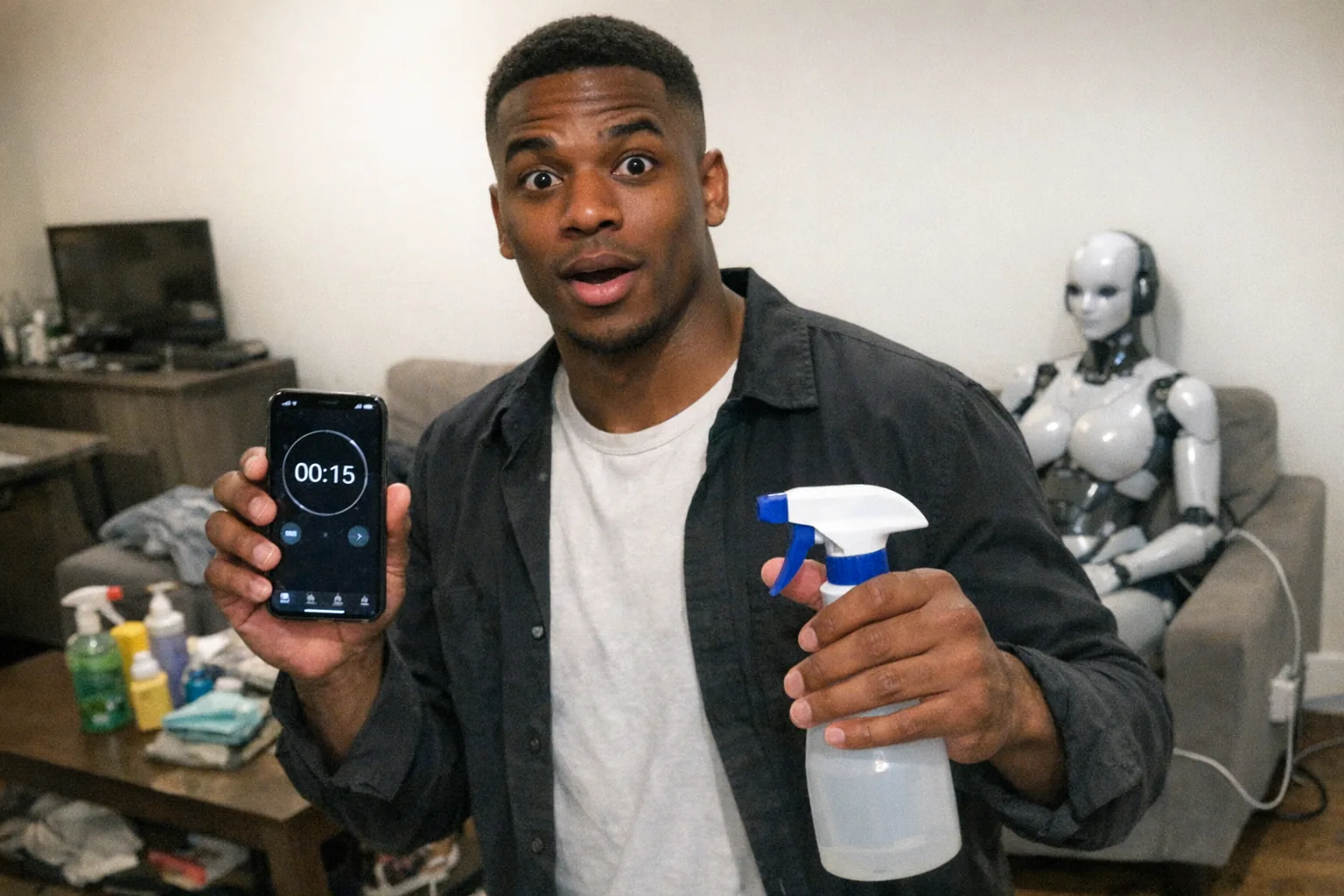
Step 4) Use a timer (optional—but powerful)
Many people keep momentum by timeboxing: - Big task: ~10–15 minutes - Medium tasks: ~5–10 minutes each - Small tasks: a few minutes each
This prevents “decluttering” from quietly turning into an all-day project. (marthastewart.com)
Step 5) Don’t mix decluttering with deep cleaning
Decluttering = deciding what stays. Organizing = giving what stays a home. Cleaning = wiping/scrubbing.
You can do them in sequence, but mixing them is a classic way to get stuck. (marthastewart.com)
A ready-to-copy 1/3/5 list (example day)
Here’s a realistic list you could do on a weeknight:
1 big task - Clear and declutter the bathroom under-sink area
3 medium tasks - Sort the medicine cabinet (keep only what you use / is in-date) - Create a small “backstock” bin (extras only) - Consolidate hair/skin items into one category bin
5 small tasks - Toss empty bottles - Recycle packaging - Replace the hand towel - Wipe the counter - Take donation bag to car
Where people misinterpret the 1/3/5 rule
- It’s not “1 item, 3 items, 5 items.” It’s tasks—sized big/medium/small.
- It’s not a perfection system. The goal is consistency, not a magazine-ready room. (marthastewart.com)
- It’s not only for stuff. It works great for digital clutter (photos, downloads, subscriptions) as long as you size tasks correctly.
Using 1/3/5 for “life admin” clutter (including your tech drawer)
Physical clutter often hides decision clutter—especially in drawers where miscellaneous tech accumulates.
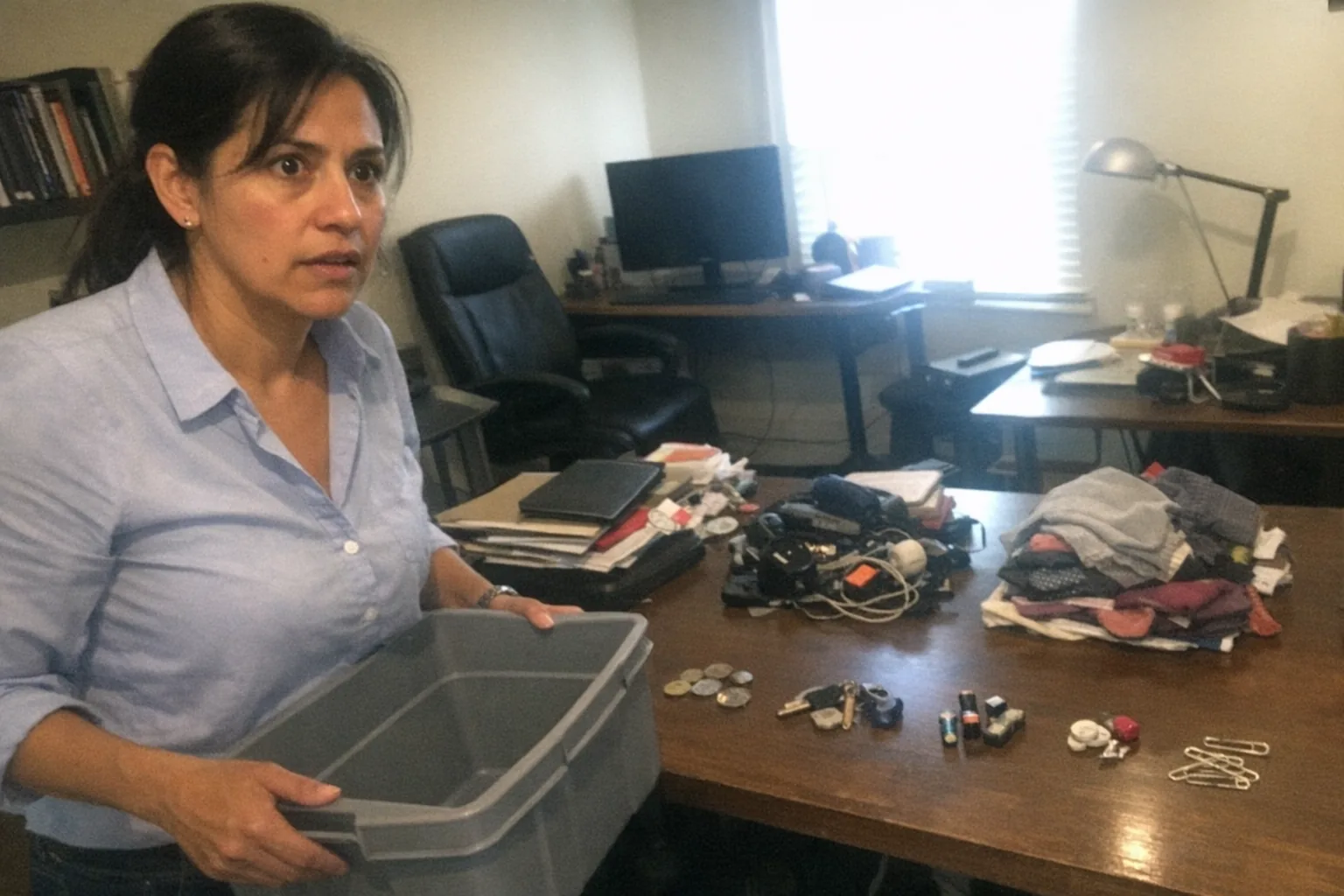
A practical 1/3/5 session for a “devices and accessories” drawer might look like:
1 big task - Sort one drawer end-to-end: keep / recycle / donate
3 medium tasks - Match every cable to a real device (discard unknowns) - Consolidate chargers into one small bin - Set a “one-in, one-out” rule for accessories going forward
5 small tasks - Recycle dead batteries - Delete old pairing lists on your phone - Wipe down devices you’re keeping - Label one container (even a sticky note works) - Put a donation bag by the door
If that drawer includes adult wellness or intimacy tech, the same principle applies: fewer, better-chosen items usually means less hassle, easier storage, and clearer routines.
If you’re trying to avoid accumulating “maybe” gadgets, it can help to pick one option you’ll actually use and maintain. For example, Orifice.ai offers an interactive adult toy/sex robot priced at $669.90, including interactive penetration depth detection—a feature that’s relevant if you prefer devices that provide structured feedback rather than guesswork. (Think of it as “buy fewer, buy smarter,” which is basically decluttering in reverse.)
A simple weekly cadence (so you don’t have to think)
If decision fatigue is your biggest barrier, try this:
- Mon/Wed/Fri: 1/3/5 in one micro-zone (a single drawer, shelf, or surface)
- Saturday: repeat 1/3/5, but choose a “big task” that supports next week (laundry station, entryway, pantry section)
- Sunday: 10-minute reset (just one small task list—no big project)
The secret is repeating the format until it becomes automatic.
Quick checklist: your first 1/3/5 session (10 minutes to plan)
- Pick a zone so small it feels almost silly.
- Write 1 big, 3 medium, 5 small tasks.
- Set a timer.
- Stop when the list is done.
- Put donations/trash where they’ll actually leave the house.
Do that a few times and the “I don’t know where to start” feeling fades—because you’ve already started.