The short answer
By 2050, “AI” will likely feel less like a single app you open and more like a layer in the world: always-available assistants coordinating your tasks, highly capable robots doing physical work in specific settings, and a dense web of regulations and norms defining what AI can’t do.
But the most important change won’t be raw intelligence alone—it’ll be integration: - AI that can see, hear, read, and act across devices and environments - AI that can remember (with permissions) across months and years - AI that can negotiate with other AIs and services on your behalf - AI that is increasingly embodied (robots, wearables, smart environments)
Because 2050 is far enough out that breakthroughs and political choices matter, the best way to answer is with likely directions and plausible scenarios.
1) AI will look less like “chat” and more like a personal operating system
Today, many people experience AI through prompts and replies. By 2050, the default interface may be:
- Ambient: AI listens for intent (with explicit controls), watches for context, and suggests actions.
- Transactional: it can complete work end-to-end—booking, negotiating, coordinating, filing.
- Continuous: it tracks long-term goals (“get healthier,” “spend less,” “learn Spanish”) and adjusts plans.
In practice, “your AI” could function like a chief of staff: - planning your schedule and travel with constraints you set - drafting communications in your voice (with review) - monitoring finances and subscriptions for waste - managing your digital identity and permissions
The big question won’t be “Is it smart?” but “Who controls it—and what does it share?”
2) Embodied AI will be common—but unevenly distributed
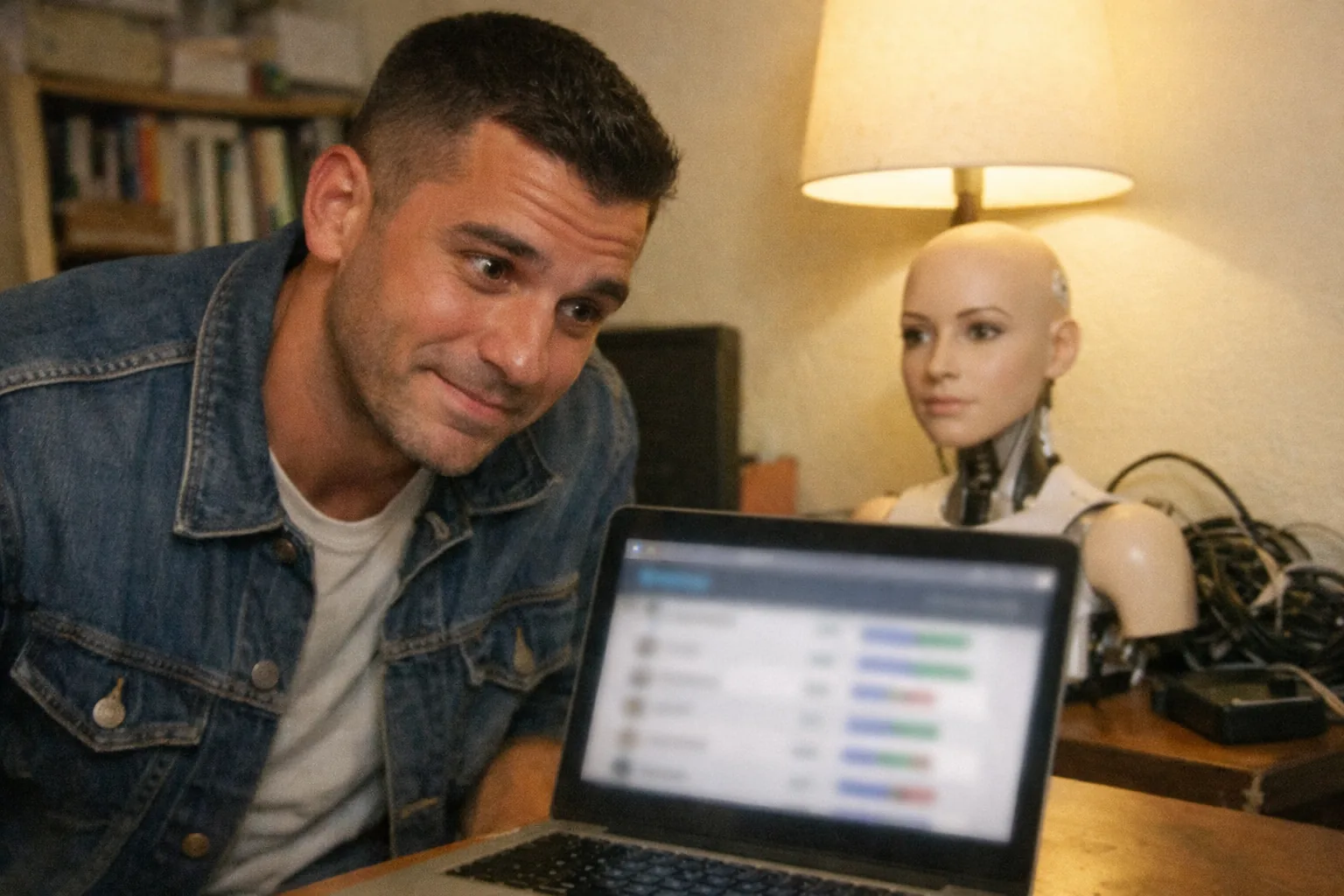
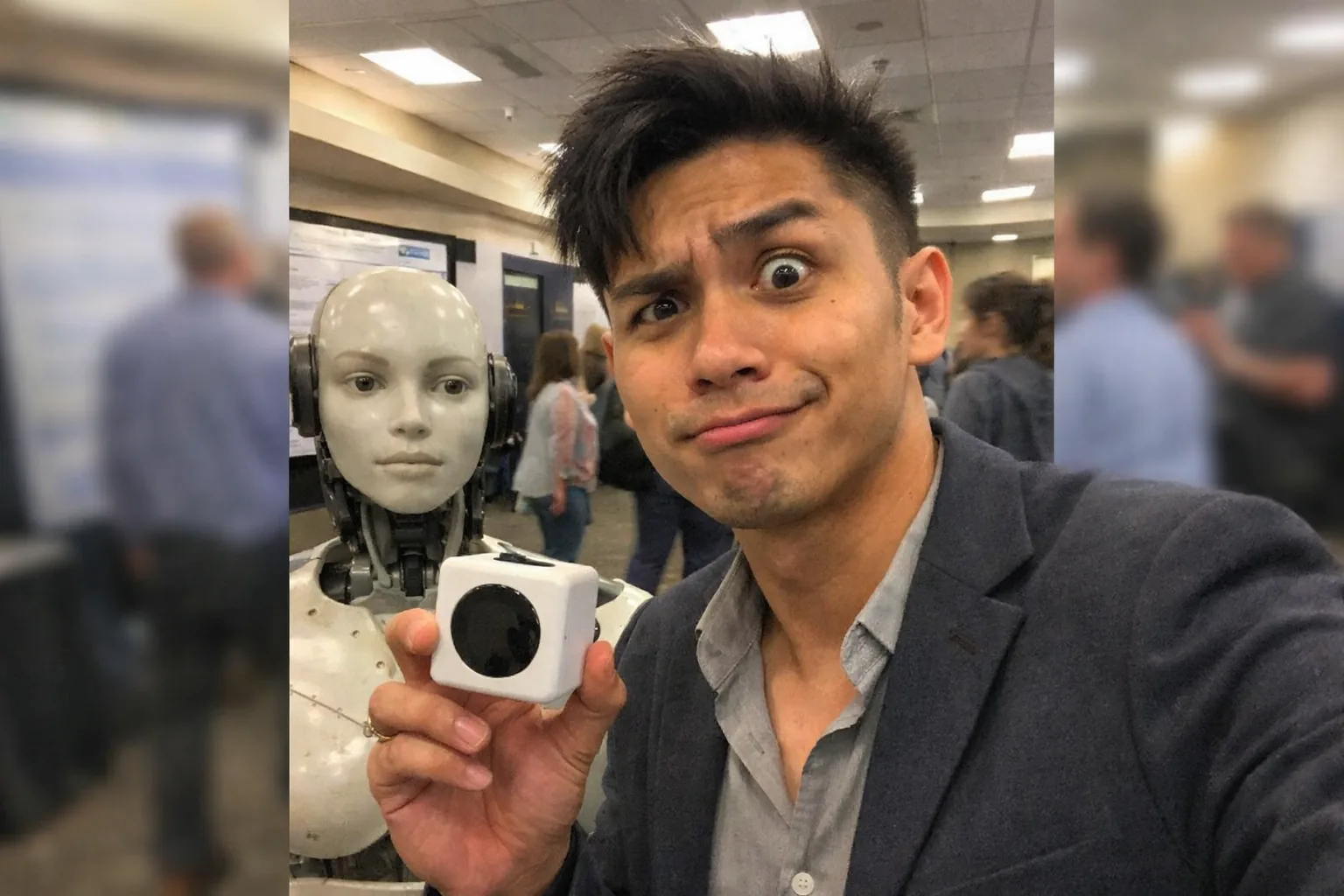
By 2050, robots will likely be far more capable in structured or semi-structured environments:
- Warehouses & logistics: picking, packing, loading, inventory audits
- Hospitals & eldercare: lifting assistance, delivery, cleaning, routine monitoring
- Construction & maintenance: inspection, basic assembly, hazardous tasks
- Home tasks: narrower successes—laundry folding might still be “sometimes,” but dish handling and tidying will be much better
Still, household “do-anything” robots may remain expensive and finicky, because the real world is chaotic. The 2050 reality could resemble today’s cars: - many people have some automation - a smaller slice can afford the premium, highly capable version
3) AI relationships and companionship will feel mainstream (and heavily governed)
Whether or not society loves the idea, by 2050 AI companionship will likely be normalized in the same way online dating, teletherapy, and remote work became normal: gradually, then suddenly.
Expect companionship AIs to split into categories:
- Emotional support & coaching (bounded, safety-tested)
- Social simulation (roleplay, conversation, identity play—often regulated)
- Embodied companions (robotic forms, haptic interfaces, and devices)
What changes by 2050 is not only realism, but feedback and responsiveness. Instead of generic scripted reactions, devices will adapt to: - user preferences - comfort settings - safety thresholds - and real-time sensor data
In the adult-tech space, this trend is already visible in products that emphasize interaction quality rather than shock value. For example, Orifice.ai positions its sex robot / interactive adult toy at $669.90 and highlights interactive penetration depth detection—a concrete example of how AI-driven intimacy tech can focus on responsiveness and control without needing explicit content.
4) Personal privacy will become a design feature, not a setting
To feel genuinely helpful, AI needs context. Context is data. That creates a 2050 tension:
- People want AI that remembers
- People fear AI that records
By 2050, the “good” systems will likely compete on privacy architecture, such as: - on-device processing for sensitive tasks - local-first memory (you hold the keys) - selective, auditable sharing (“show me what you used, when, and why”) - expiration rules (memories that decay unless renewed)
In other words: privacy won’t be just policy—it’ll be a product differentiator.
5) Work will change less through replacement, more through re-composition
The popular fear is a single cliff: “AI takes jobs.” A more realistic 2050 outcome is that jobs get re-bundled:
- Some roles disappear (especially repetitive digital tasks)
- Many roles become “AI + human” workflows
- New roles emerge around oversight, safety, verification, and domain specialization
Two skills will matter more than ever:
- Judgment under uncertainty (what to do when the model is confident and wrong)
- Accountability (who signs off, who is responsible, who is insured)
Companies will still value humans for trust, liability, creativity, leadership, and social legitimacy.
6) Regulation will define what “AI in 2050” actually means
By 2050, expect AI to be governed much like pharmaceuticals, aviation, and finance: not one set of rules, but layers:
- consumer protections and disclosures
- licensing for high-risk systems (medical, legal, critical infrastructure)
- auditing standards and incident reporting
- limits on persuasion/manipulation, especially for minors
A key 2050 norm may be provenance: knowing whether something was generated, who generated it, and under what rules. Not to kill creativity—just to preserve trust.
7) The “average” day with AI in 2050 (a plausible vignette)
Imagine a typical weekday:
- Your personal AI preps a schedule based on priorities you set Sunday night.
- It coordinates with your employer’s systems, flags conflicts, and drafts two versions of an important email (formal vs. direct).
- A household robot handles a few narrow chores; your smart home handles the rest.
- A health model watches trends (sleep, activity, labs) and nudges you toward small changes.
- You interact with several AIs you don’t think of as “AI”: transit routing, customer support, content filtering, fraud detection.
The biggest difference from today is frictionlessness—and the biggest risk is over-dependence.
The bottom line
So, what will AI look like in 2050?
- Ubiquitous (embedded in daily life)
- Agentic (able to take actions, not just answer)
- More physical (robots and smart environments)
- More regulated (standards, auditing, liability)
- More personal (memory, preference modeling, long-term context)
And in consumer tech—including companionship and adult devices—the standout products will be the ones that pair richer interaction with clear safety controls, transparent data practices, and responsive sensing.
If you’re curious how that future is already starting to show up in real products, exploring Orifice.ai is a practical place to start—especially if you want to see how features like interactive penetration depth detection fit into a broader shift toward more responsive, user-controlled AI hardware.