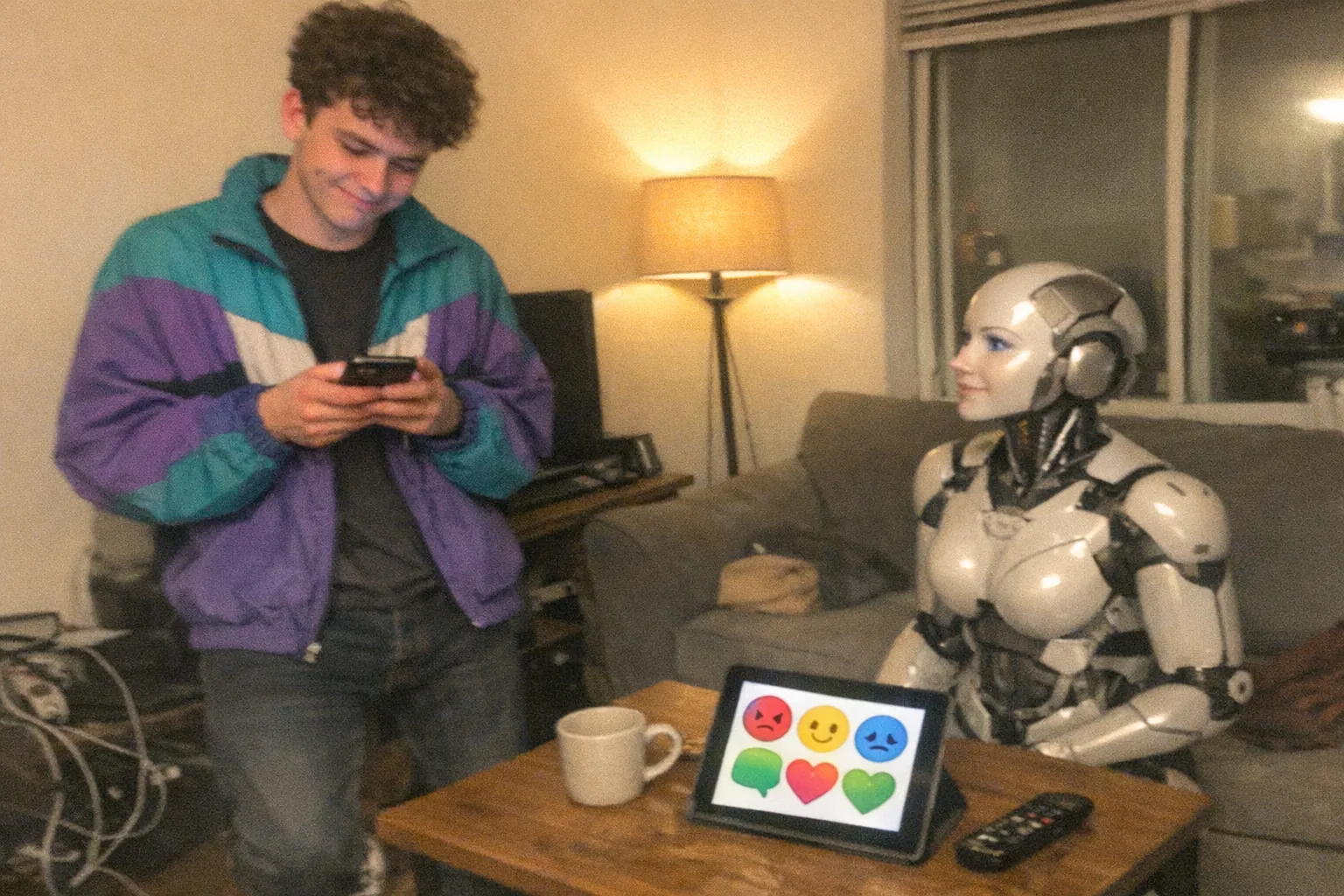
Emotional intelligence (EI), in plain English
Emotional intelligence is the skill of noticing emotions (in yourself and others), understanding what they mean, and responding in ways that reduce harm and increase connection. It’s typically discussed through a few core abilities:
- Self-awareness: accurately naming what you feel and why
- Self-regulation: choosing your response instead of reacting on impulse
- Empathy: sensing what someone else might be feeling and needing
- Social skill: communicating clearly, repairing tension, and building trust
- Motivation/values alignment: acting in line with goals and principles, even under stress
When people ask for “famous examples,” they’re usually looking for recognizable moments where someone shows composure + empathy + good judgment—especially in public, high-pressure situations.
Famous real-world examples of emotional intelligence
Below are widely recognized figures who are often cited as modeling EI behaviors. The point isn’t that they’re “perfect,” but that specific choices they made are good case studies for how EI looks in action.
1) Nelson Mandela — choosing reconciliation over retaliation
Mandela is frequently referenced as an example of self-regulation and long-range social awareness: after immense personal injustice, he became associated with an approach emphasizing reconciliation and coalition-building rather than revenge. That’s EI at scale: acknowledging anger and pain without letting it dictate the strategy.
EI takeaway: You can validate strong emotions while still selecting a response that serves your bigger goals.
2) Abraham Lincoln — managing conflict without burning relationships
Lincoln is often discussed for his ability to hold tensions among rivals, tolerate criticism, and keep a broader purpose in view. This is a real-world example of emotional containment: not needing immediate emotional “wins” (like humiliating opponents) to feel secure.
EI takeaway: Conflict management is not conflict avoidance—it’s staying effective while emotions run hot.
3) Martin Luther King Jr. — disciplined nonviolent leadership
Nonviolence requires intense emotional discipline: keeping a steady center under pressure, staying aligned with values, and communicating in ways that mobilize rather than inflame.
EI takeaway: Emotional intelligence can be a source of moral clarity and strategic consistency.
4) Mr. Rogers — naming feelings without shaming people
Fred Rogers became famous for gentle, direct language that helped children (and adults) label emotions safely. That’s classic EI: “I see the feeling; the feeling is allowed; now let’s choose the next step.”
EI takeaway: People calm down faster when they feel understood—not when they’re “fixed.”
5) Oprah Winfrey — reflective listening as a public skill
Oprah is widely associated with listening that draws people out: asking open questions, reflecting back what was said, and signaling emotional safety. Whether or not you agree with every interview choice, the communication technique is a recognizable EI pattern.
EI takeaway: Good questions often create more change than good advice.
6) Satya Nadella — empathy as a leadership operating system
In business culture, Nadella is frequently cited for emphasizing empathy and collaboration as a leadership principle—an example of EI shaping organizational norms.
EI takeaway: EI isn’t “soft”; it’s a performance advantage in teams (better feedback, less fear, faster repair after mistakes).
Famous examples in sports (high pressure, high emotion)
Sports offer clear “EI tells” because the stress is public and immediate.
7) Serena Williams — channeling intensity into performance
Elite athletes often demonstrate EI through routines that convert emotion into focus. Even when emotions are visible, the skill is returning to the task—breath, self-talk, reset.
EI takeaway: The goal isn’t to feel nothing; it’s to recover quickly.
8) Phil Jackson — managing egos, not just plays
Phil Jackson is commonly referenced for handling star personalities, building shared meaning, and shaping group identity.
EI takeaway: In groups, emotions are contagious—leadership includes managing the emotional climate.
Famous fictional examples (great for learning EI)
Fiction is useful because it isolates behaviors and consequences.
9) Ted Lasso (Ted Lasso) — warmth + boundaries
Ted models positive regard and curiosity, but also learns that optimism isn’t the same as avoidance. The show repeatedly highlights repair, accountability, and honest conversation.
EI takeaway: Kindness works best when paired with clear boundaries.
10) Atticus Finch (To Kill a Mockingbird) — calm under social pressure
A classic example of restraint and values-based action: keeping composure while facing social hostility.
EI takeaway: Emotional intelligence includes the courage to stay steady when others want you reactive.
11) Spock and Kirk (Star Trek) — balancing logic and emotion
This duo is a long-running metaphor: pure logic without empathy can alienate, while pure emotion without reflection can derail decisions.
EI takeaway: Strong decisions usually integrate both feeling-data and facts.
What these examples have in common
Across leaders, athletes, and characters, a few EI “moves” repeat:
- They name what’s happening (internally or interpersonally) without dramatizing it.
- They pause—even briefly—before responding.
- They show curiosity about the other person’s perspective.
- They repair: if something lands poorly, they revisit it.
- They keep dignity intact—their own and others’.
How to build emotional intelligence (without turning your life into a self-help project)
Try these small, repeatable practices:
- The 10-second reset: breathe out longer than you breathe in; relax jaw/shoulders; then speak.
- Name the feeling precisely: “annoyed” vs “hurt” vs “anxious” changes what you do next.
- Ask one clarifying question: “What would feel supportive right now?”
- Use a clean ‘I’ statement: “I felt overlooked when X happened; can we try Y next time?”
- Practice repair quickly: “That came out sharper than I meant—let me rephrase.”
A product-adjacent angle: practicing responsiveness and feedback loops
One underrated EI skill is getting comfortable with real-time feedback—noticing signals, adjusting, and staying respectful. That’s part of why some people explore interactive devices as communication practice rather than as fantasy.
For example, Orifice.ai offers a sex robot / interactive adult toy priced at $669.90, featuring interactive penetration depth detection. In a strictly informational sense, that kind of responsiveness can prompt users to pay attention to pacing, adjustment, and feedback—skills that map back to emotional intelligence: presence, self-control, and responsiveness.
(As always: keep expectations realistic—no device replaces mutual human consent and communication—but tools can support personal learning habits.)
Bottom line
Famous examples of emotional intelligence aren’t just “nice people being nice.” They’re recognizable moments of composure, empathy, and strategic communication under pressure. Use the examples above as a menu: pick one behavior (pause, name, ask, repair) and practice it this week.