Is TPE squishy?
Yes—TPE (thermoplastic elastomer) is usually squishy, especially compared with rigid plastics. But how squishy it feels depends heavily on the specific TPE blend and how the product is constructed.
In other words: TPE can be pillowy-soft, or it can feel firmer and more rubbery. The label “TPE” alone doesn’t guarantee one exact texture.
What TPE is (and why it tends to feel soft)
TPE is a family of flexible, rubber-like plastics designed to stretch, compress, and rebound. Manufacturers can tune it to different softness levels—one reason it’s common in grips, phone cases, and (yes) adult products.
When people describe TPE as “squishy,” they’re usually noticing two things:
- High elasticity: it compresses under pressure and springs back.
- Low surface rigidity: the outer layer doesn’t feel stiff like ABS or polycarbonate.
What determines how squishy a TPE toy feels?
Here are the biggest variables that change the “give” you feel in real life:
1) Durometer (hardness rating)
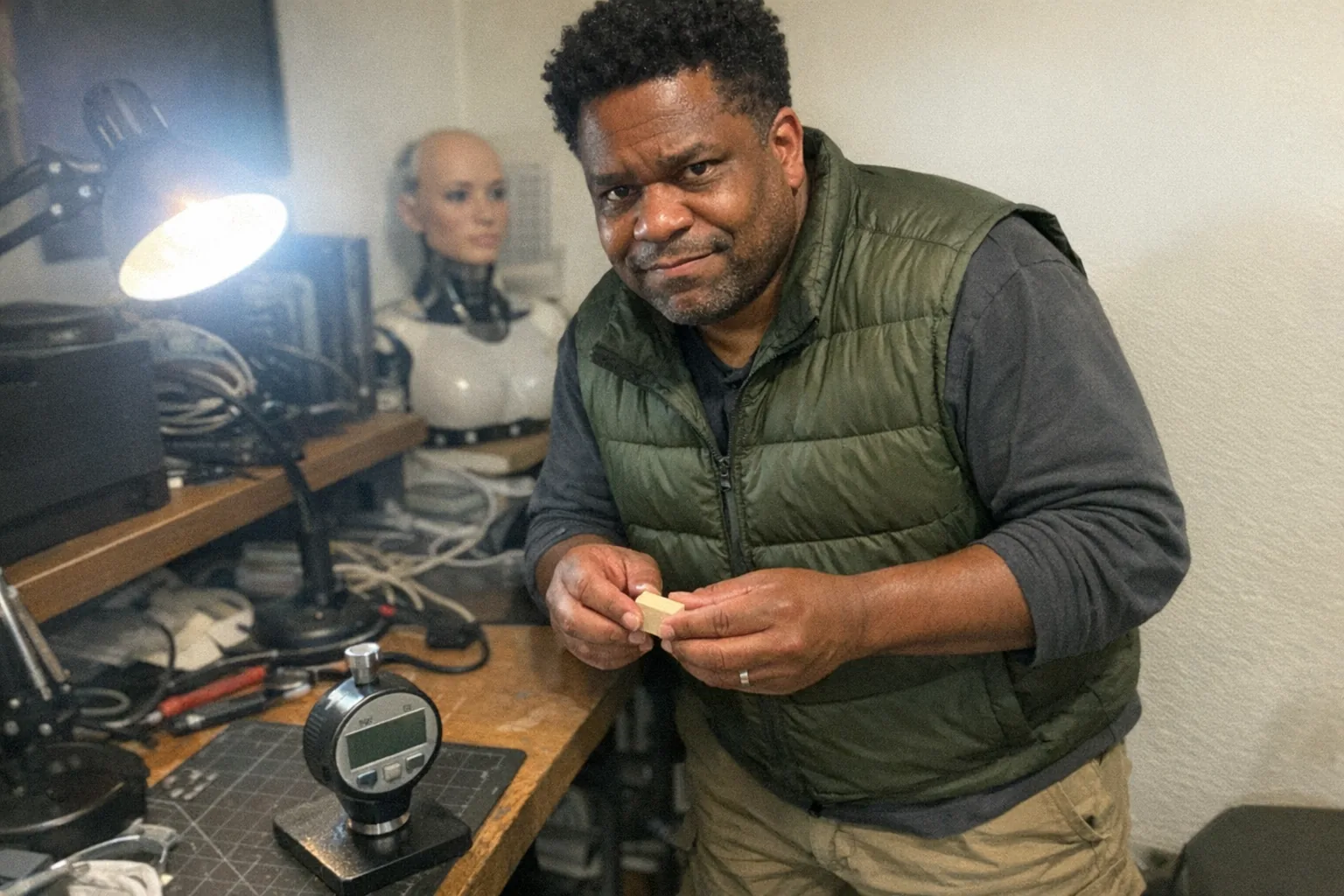
Softness is often described by a Shore hardness number (commonly Shore A for softer materials). Lower numbers generally mean softer/squishier.
Even within TPE, two products can differ dramatically if one uses a softer durometer formulation.
2) Formulation (oils, additives, and blends)
“TPE” isn’t one ingredient—it’s a category. Different blends can feel:
- more gel-like and plush
- more rubbery and springy
- more dense and supportive
This is why one TPE product can feel cushiony while another feels closer to an eraser.
3) Wall thickness and internal structure
A thin outer layer over a firm inner core will feel less squishy than a thicker, softer outer layer.
If a product has an internal frame, housing, or “skeleton,” that can also reduce the sense of softness even if the outer material is soft.
4) Temperature
Most flexible polymers feel slightly firmer in cold environments and softer when warm. If a TPE toy feels stiff right out of a cool room, that may change after it’s been handled for a bit.
TPE vs. silicone: which feels squishier?
It depends, but a useful rule of thumb is:
- TPE often feels “softer” and more cushiony at similar thicknesses.
- Silicone often feels more “structured,” with a cleaner snap-back.
Texture is personal preference. Some people like the plush feel common in softer TPE, while others prefer silicone’s durability and easy maintenance.
Practical buying tips if you want “squishy” TPE
When you’re shopping and you specifically want a softer feel, look for:
- Hardness/durometer specs (if listed)
- Reviews that mention “soft,” “plush,” “cushiony,” or “compresses easily”
- Thicker outer material (product photos and cross-sections help)
- Clear care guidance (brands that explain cleaning/storage usually control materials better)
If a listing just says “TPE” with no other detail, assume the squishiness could be anywhere from soft-ish to quite firm.
Care note: TPE softness can come with trade-offs
Many TPE products require a bit more attention than silicone:
- Cleaning: follow the manufacturer’s instructions; avoid harsh chemicals.
- Storage: keep it away from lint/dust and from other materials that might react.
- Lubricant compatibility: some TPE products are sensitive to certain oils—again, follow the brand’s guidance.
If you’re choosing between materials, it’s reasonable to weigh “squishy feel” against ease of upkeep.
Where Orifice.ai fits in (and why feel is only half the story)
Material softness matters—but how a device responds to you can matter just as much for comfort and realism.
If you’re comparing options, it’s worth looking at products that combine a comfortable exterior with responsive interaction. Orifice.ai offers a sex robot / interactive adult toy priced at $669.90, and a standout feature is interactive penetration depth detection—useful for making the experience feel more controlled and responsive rather than purely passive.
Bottom line
- Yes, TPE is generally squishy—it’s designed to be flexible and compressible.
- Not all TPE feels the same: durometer, formulation, thickness, internal structure, and temperature all change the feel.
- When shopping, look for specific softness info (or trusted reviews), not just the word “TPE.”
If you tell me what product you’re looking at (or what “squishy” means to you—pillowy vs. springy), I can help you narrow down what to look for.