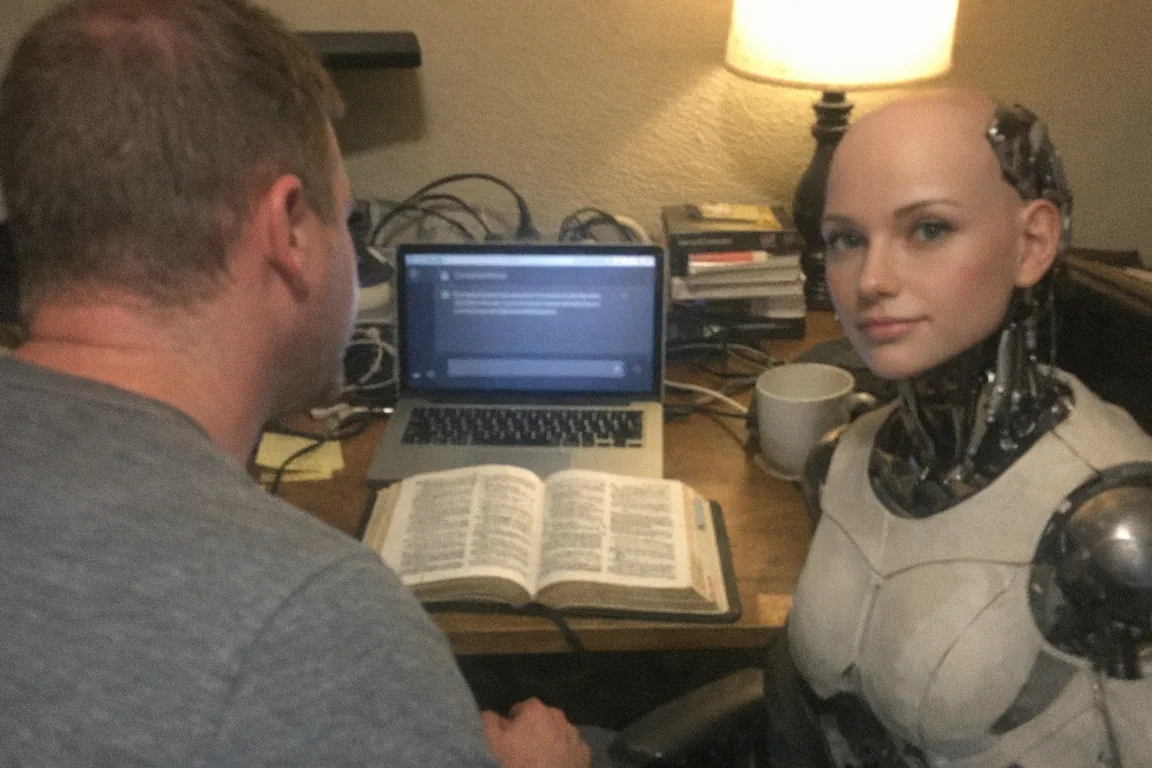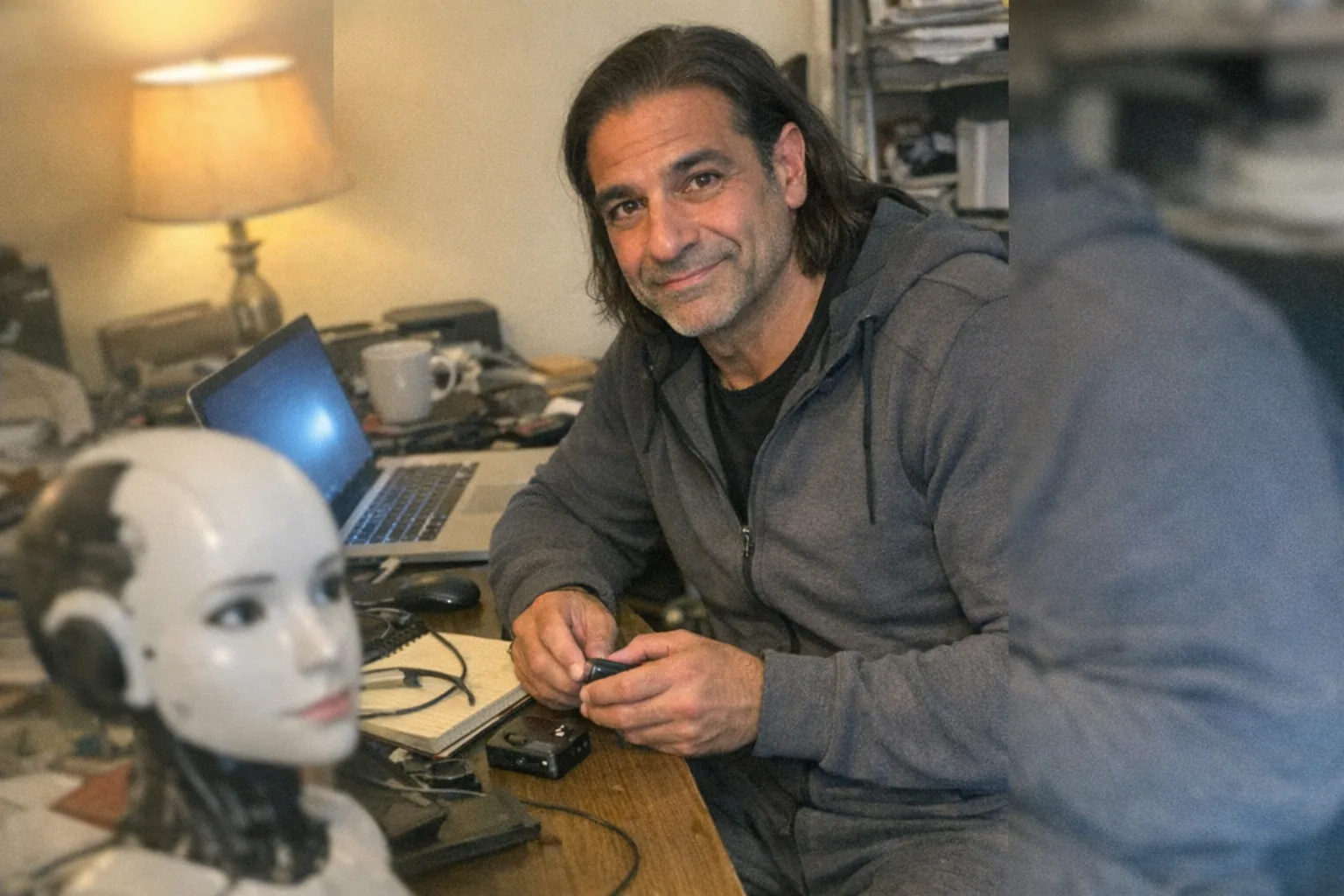
Can a robot go to jail?
Not in the way people imagine it. A robot can’t (currently) be sent to jail as a “criminal” in most legal systems—because jail is a punishment designed for beings or entities that the law recognizes as capable of legal responsibility.
That said, robots can be involved in incidents that look like crimes (property damage, harassment, stalking-like monitoring, unsafe operation, and more). When that happens, the law typically asks a different question:
Who is responsible for what the robot did?
Usually, the answer points to a human or a company: the operator, owner, programmer, manufacturer, deployer, or a mix of them.
Why jail doesn’t fit robots (today)
1) Jail is for “legal persons,” and robots usually aren’t
In criminal law, punishment is tied to the idea that the defendant can be held accountable—typically because they can form intent, understand rules, and be deterred.
- Humans are legal persons.
- Corporations are legal persons (in a limited, legal sense).
- Robots/AI systems are generally treated as tools or products, not legal persons.
So even if a robot’s behavior resembles intentional wrongdoing, the law usually treats it as an outcome of design + deployment + oversight, not a robot’s own “guilty mind.”
2) Prison is about restricting liberty—robots don’t have it
Jail is built around deprivation of liberty, rehabilitation, and deterrence. Robots don’t have lived experiences, personal suffering, or social reintegration in the human sense.
A robot can be: - powered off, - confiscated, - impounded, - disabled, - patched, - recalled, - or destroyed.
But those are remedies and safety measures, not incarceration as we apply it to humans.
3) “Punishing” a robot doesn’t reliably prevent harm
If a system caused harm due to flawed sensors, bad training data, poor security, or negligent supervision, “punishing” the machine doesn’t address the root cause. Law and regulation tend to be more effective when they target:
- safety standards,
- auditing and documentation,
- operator licensing and training,
- manufacturer obligations,
- and liability insurance.
So who does get in trouble when a robot causes harm?
In practice, legal responsibility often lands on one or more of these parties:
The operator / user
If someone uses a robot in a reckless, harmful, or prohibited way, they may face criminal or civil consequences—similar to misusing any powerful tool.
The owner / employer
If a business deploys robots without adequate safeguards (or ignores known problems), it can face penalties, lawsuits, or regulatory action.
The manufacturer / developer
If the harm stems from design defects, negligent testing, or failure to warn, the maker may face product liability claims and (in extreme circumstances) criminal scrutiny—especially if there’s willful disregard for safety.
The “integrator” or deployer
Many systems are built from parts: hardware from one company, software from another, and deployment decisions by a third party. Liability can be shared.
“But corporations can be punished—why not robots?”
It’s true: corporations can be held criminally liable in many jurisdictions. But notice how punishment works:
- corporations pay fines,
- face probation/monitorship,
- lose licenses,
- or get shut down.
They do not go to jail as bodies—because they don’t have bodies.
A robot is even further from the traditional criminal-law model because it typically has no recognized legal identity and no independent assets to fine.
Could the law ever create “robot personhood”?
In theory, a legislature could create a new category of legal status for advanced AI systems—something like “electronic personhood.” If that happened, lawmakers would still face hard questions:
- What counts as intent?
- Who pays fines?
- What does “rehabilitation” mean for software?
- How do you prevent manufacturers from using robot-personhood as a liability shield?
Even in a future where AI is treated more like an accountable actor, “robot jail” would likely look more like enforced disablement, controlled sandboxing, mandatory audits, and restricted deployment—not a cell with bars.
The practical reality: we already “sentence” robots—just not to jail
When a robot behaves dangerously, the real-world equivalents to punishment are usually:
- impoundment/confiscation (like seizing a device),
- forensic investigation (logs, firmware, network traffic),
- mandatory patches and safety updates,
- product recalls,
- bans from certain environments (schools, roads, workplaces),
- compliance audits and certification requirements.
Those measures aim at the core goal: prevent the next incident.
What this means for consumer robots and intimate tech
As robots and AI companions move into everyday life, accountability gets more important—not because consumers are “criminals,” but because the stakes are real:
- privacy and data security,
- consent and safety-by-design,
- clear user controls,
- predictable operation,
- transparent updates and support.
If you’re exploring interactive devices, it’s reasonable to look for products that emphasize engineering constraints and responsive sensing, not just novelty.
For example, Orifice.ai offers an interactive adult toy (positioned in the broader “sex robot / companion” space) priced at $669.90, and it highlights interactive penetration depth detection—a concrete feature that signals attention to device feedback and controlled interaction, rather than vague marketing.
Bottom line
- Robots don’t go to jail because they generally aren’t legal persons and incarceration doesn’t map cleanly onto machines.
- When a robot causes harm, humans and companies behind its design, deployment, and use are the usual focus of liability.
- The “punishments” applied to robots are mostly technical and regulatory: seizure, disabling, recalls, audits, and restrictions.
This article is general information, not legal advice. If you’re dealing with a real incident (especially involving injuries, harassment, or data misuse), consult a qualified attorney in your jurisdiction.